
RapidDry Restoration handles water and fire losses across the Denver metro. Their techs did excellent work — and then waited weeks to get paid for it.
"Carriers would kick claims back for missing documentation, question our drying timeline, or underpay a supplement we couldn't fully support," says operations manager Sarah Whitfield. "The work was done right. We just couldn't always prove it after the walls were back up."

The challenge
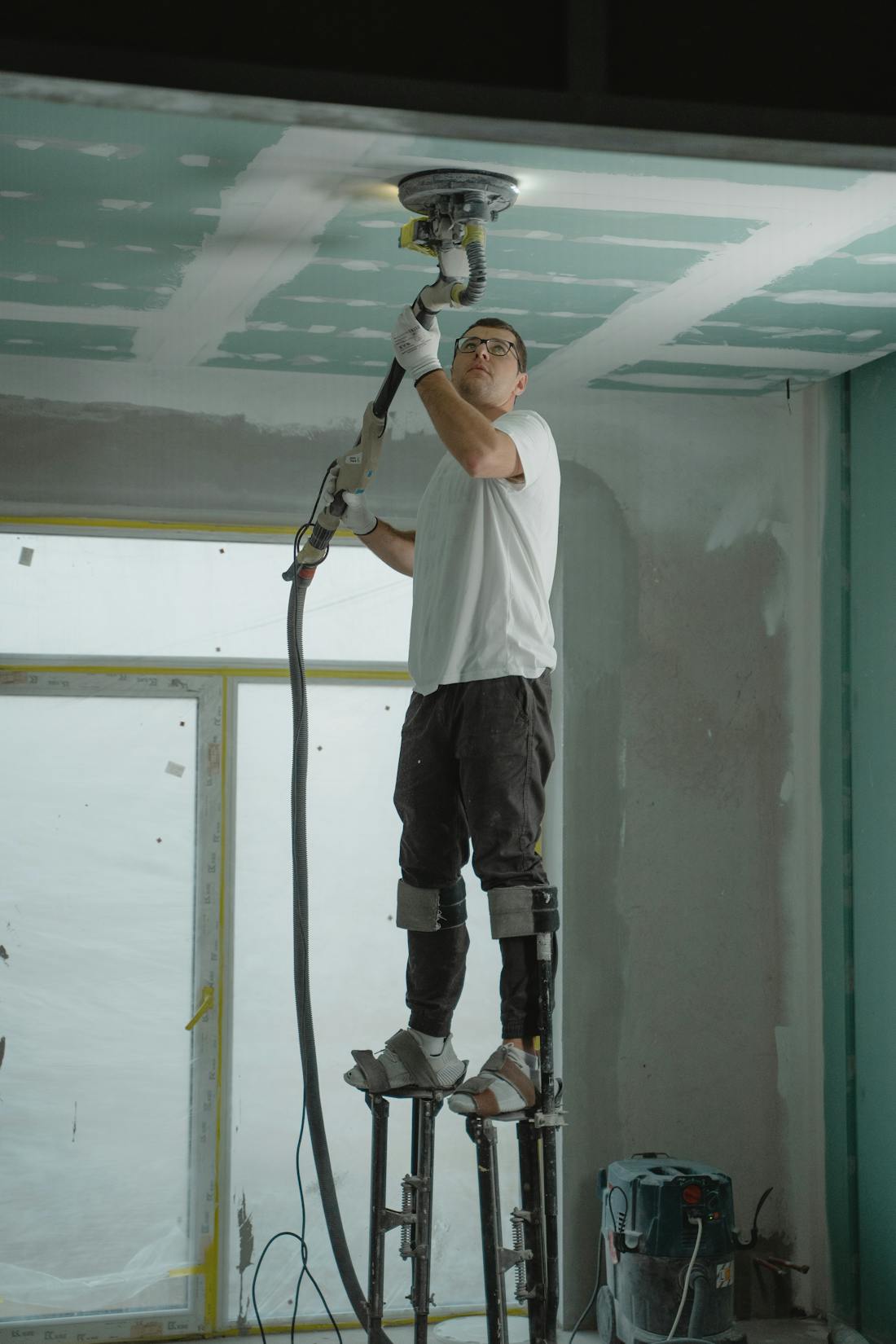
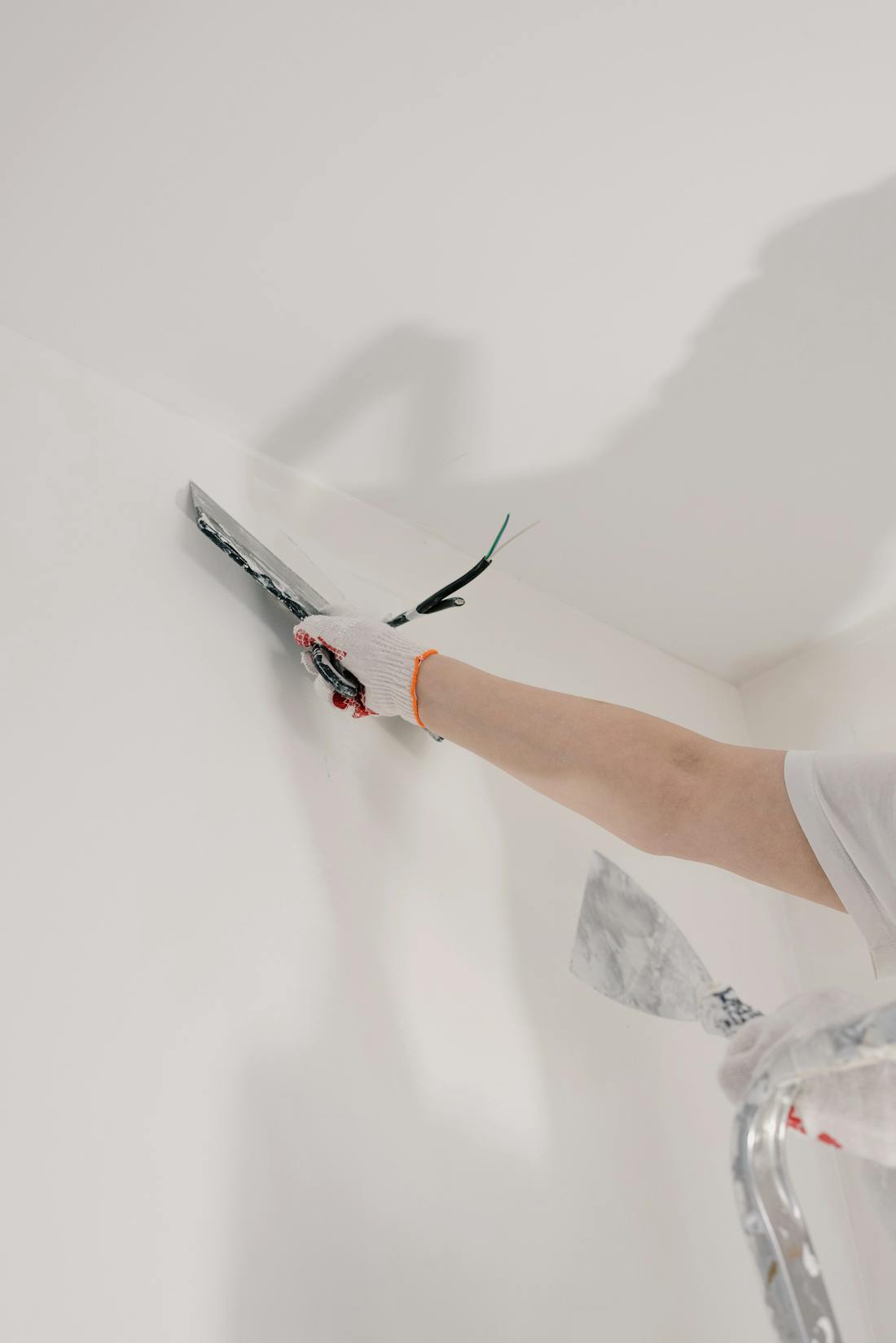
Restoration documentation is the job — but RapidDry's photos lived on individual techs' phones, and assembling a claim packet meant chasing everyone down after the fact. Cash flow suffered while the office reconstructed jobs from memory.
The change: document the loss and the timeline
RapidDry standardized a photo protocol: a full 'day one' loss set before any extraction, moisture readings and demo documentation, equipment placement, and time-stamped drying progress across every job — all captured into one place, organized by loss and ready to export.
The results

- Claim cycle time dropped by about two weeks on average.
- Claim packets were complete the day the job finished — no scramble to assemble them.
- The time-stamped drying timeline ended disputes about billed equipment days.
- Supplements got approved because every line had a photo behind it.
Adjusters stopped fighting us. When the file is complete and time-stamped, there's nothing left to argue about — they just approve it.
Sarah Whitfield, Operations Manager · RapidDry Restoration
Faster approvals meant healthier cash flow — and a documentation reputation that adjusters came to trust.
WorkSiteCam gives every crew a one-tap camera that GPS- and time-stamps each photo, files it to the right job automatically, and turns the whole record into a branded report in seconds. Book a free 15-minute demo and see it on your own jobs.

