
Insurance work lives and dies on documentation. A clean, complete photo file gets approved fast and paid in full. A thin one gets kicked back, underpaid, or denied — and every round of back-and-forth is money out of your pocket and time off your schedule.
After thousands of storm claims, the pattern is clear: adjusters approve what they can see plainly. These five shots do the heavy lifting on almost every residential roof claim.
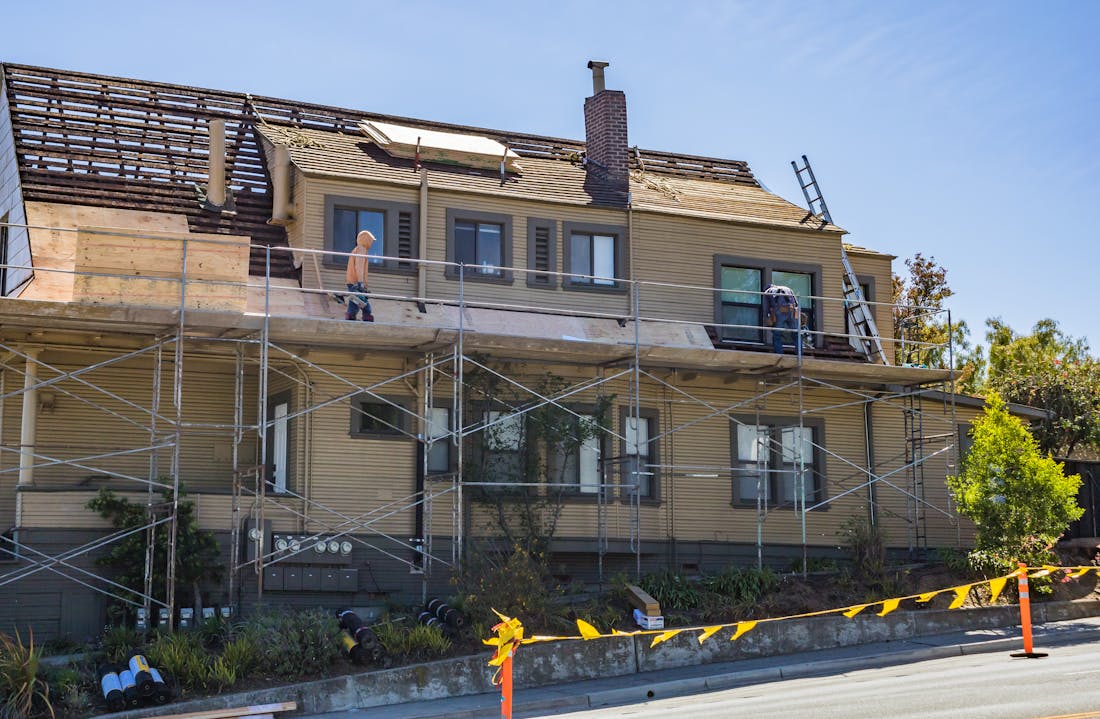
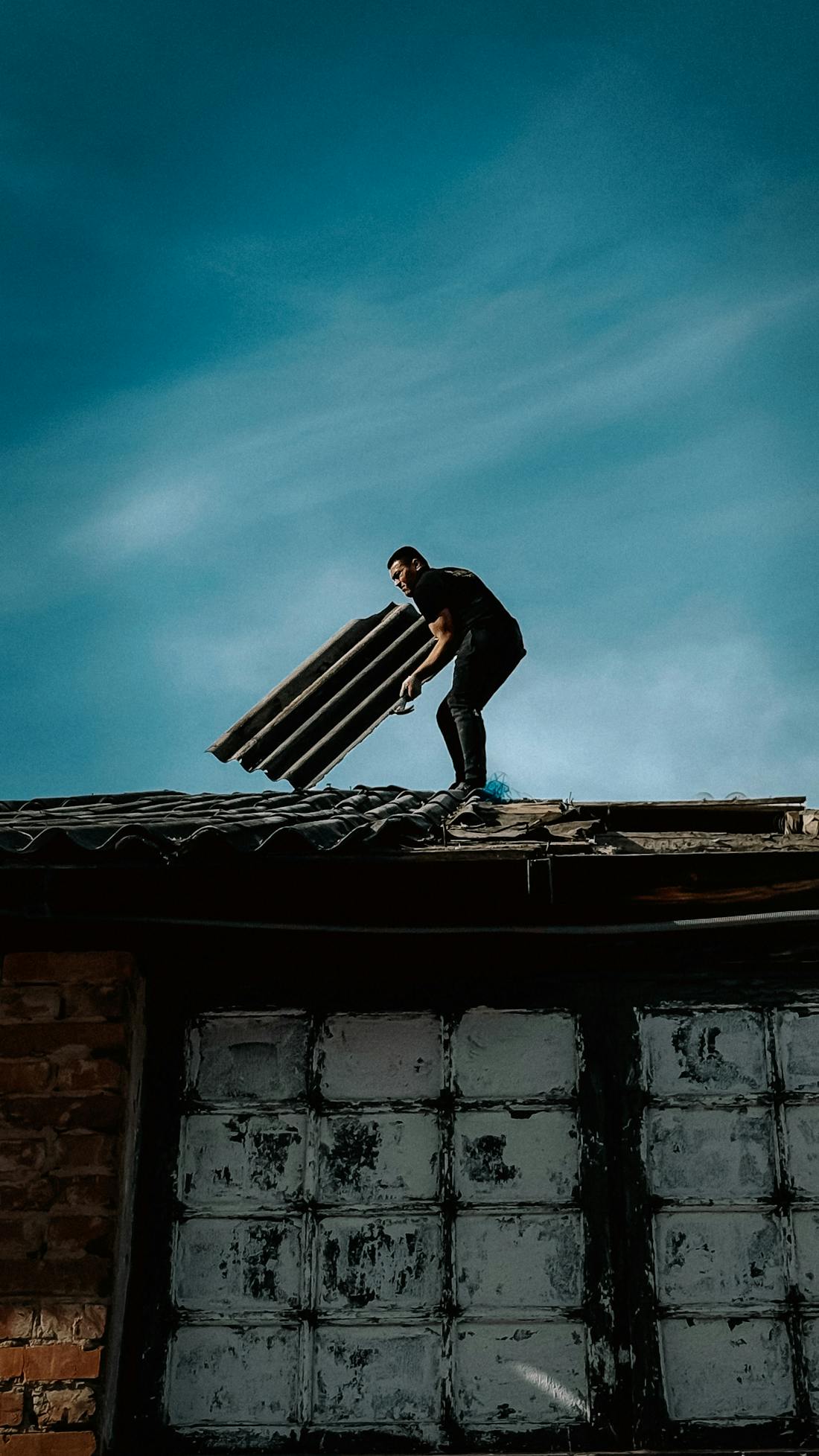
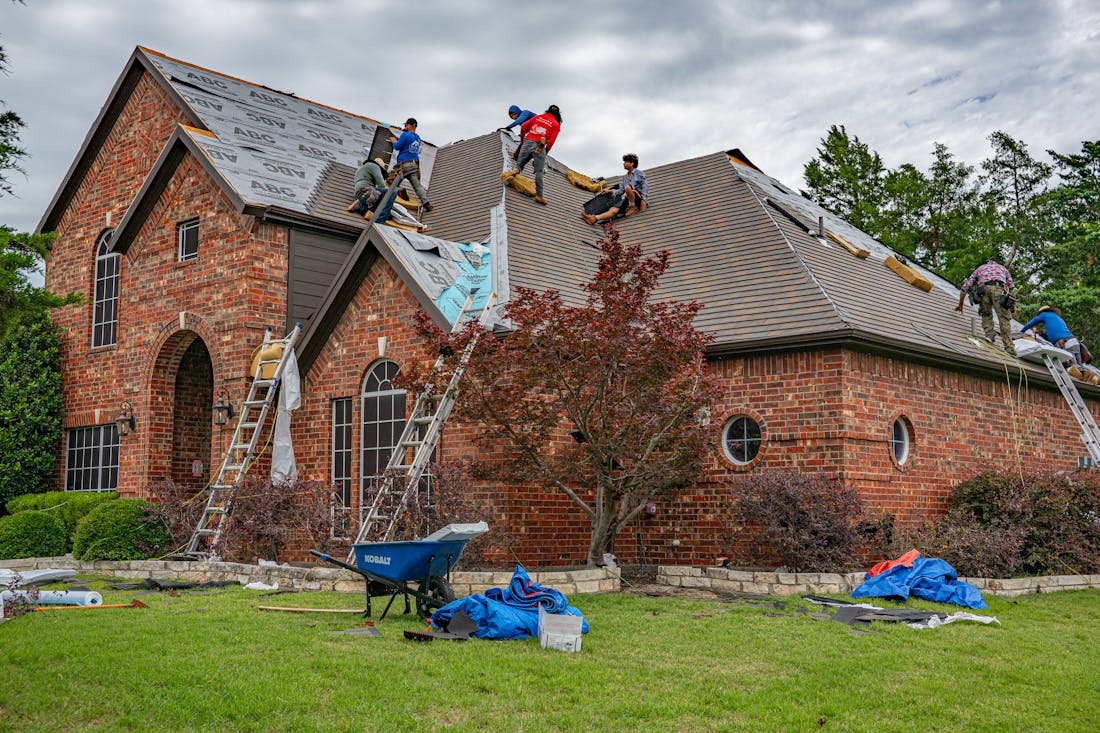
1. The full roof overview
Start with a wide shot of each roof slope. This orients the adjuster, establishes the property, and shows the overall condition before you zoom in on the damage. Shoot every plane — an adjuster won't credit damage on a slope you never photographed.
2. Damage close-ups with a reference
Photograph each hail hit, wind-lifted shingle, or crease damage up close — but include something for scale in the frame: chalk circles, a tape measure, or a marking crayon. A hail bruise with a quarter next to it is worth ten unmarked close-ups.
3. Test squares
Mark and photograph a 10x10 test square with the hits circled and counted. This is the single most persuasive shot in a hail claim — it translates 'the roof is damaged' into a number the adjuster can defend to their carrier.
4. Collateral & date-verifying damage
Soft metals tell the story: dented gutters, dinged flashing, hail splatter on the AC unit, a marked-up window screen. This collateral damage corroborates the roof hits and helps date the storm — which matters when the carrier questions timing.

5. The GPS- and date-stamped everything
Every one of the above is dramatically stronger with a verifiable location and time stamp attached. A metadata-stamped photo proves the damage was on this address on this date — the two facts a carrier is most likely to dispute.
You don't win claims by arguing louder. You win them by handing over a file so complete the adjuster has nothing left to question. Build the file as you work, not after the denial.
Build the claim file as you climb
The mistake is treating documentation as a separate task after the inspection. The crews that get paid fastest shoot the file in order as they move across the roof — overview, damage, test square, collateral — with each photo auto-filed to the claim. By the time they're down the ladder, the packet is done.
WorkSiteCam gives every crew a one-tap camera that GPS- and time-stamps each photo, files it to the right job automatically, and turns the whole record into a branded report in seconds. Book a free 15-minute demo and see it on your own jobs.


