
For years, the tradeoff with documentation was simple: the more thoroughly you documented, the more admin work you created. Every photo had to be tagged, sorted, and written up. AI is breaking that tradeoff — the documentation gets more complete while the admin work shrinks toward zero.
From a pile of photos to an organized record

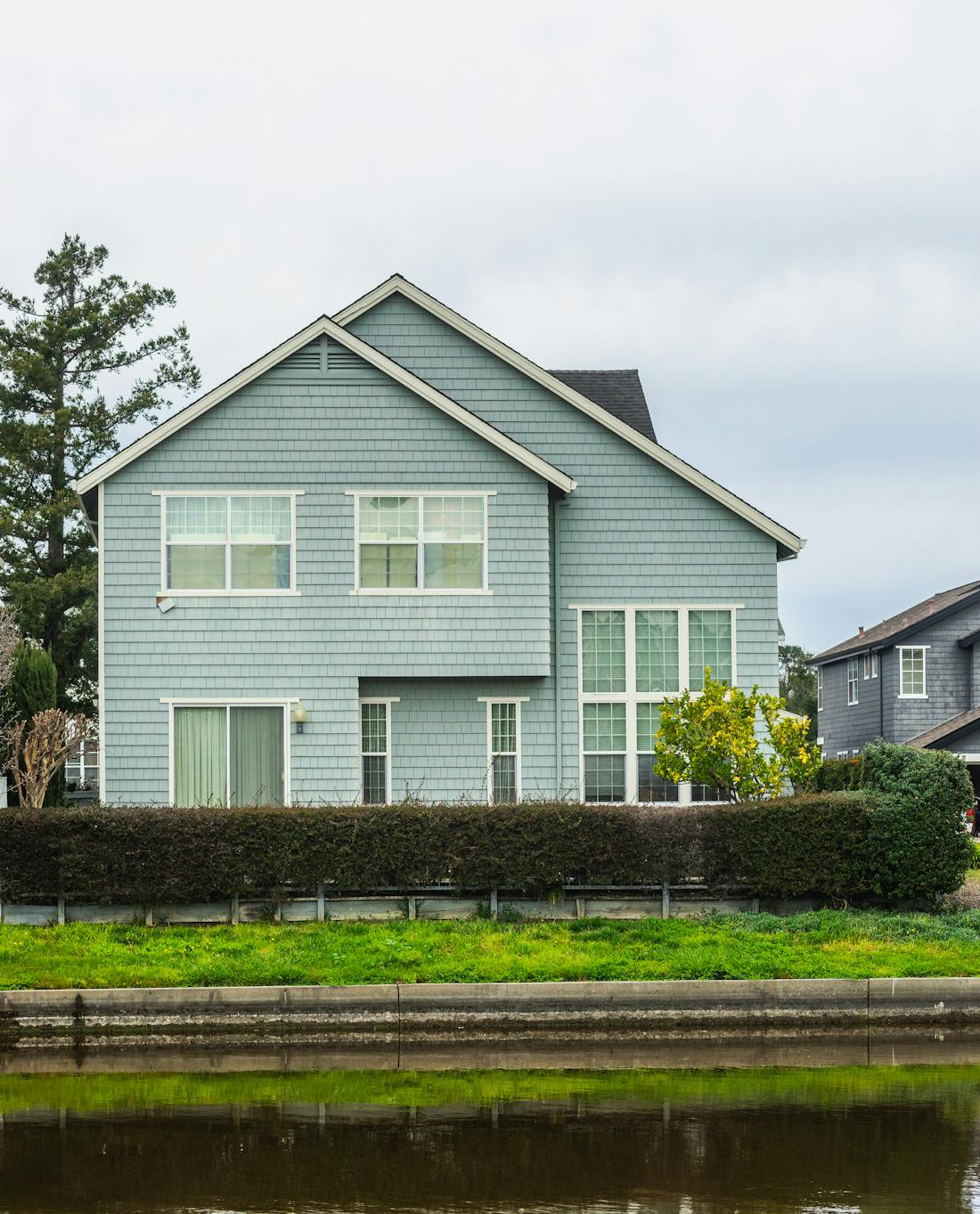

The old way: hundreds of photos land in a folder and someone spends an evening labeling them. The new way: AI reads the photos, recognizes what's in them, and tags and organizes them by itself — damage here, flashing there, finished work over here. The record organizes itself as you shoot.
Where AI is already helping crews
- Auto-tagging photos by what they show, so jobs are searchable without manual labels.
- Generating a daily log from the day's photos — no end-of-day paperwork.
- Flagging potential defects or missed details a reviewer might overlook.
- Drafting estimates and scopes from job-site images and measurements.
The biggest reason crews under-document is the paperwork it creates downstream. When AI handles the tagging, logging, and write-ups, thorough documentation stops costing you time — so there's no reason not to do it.
What it means for your business
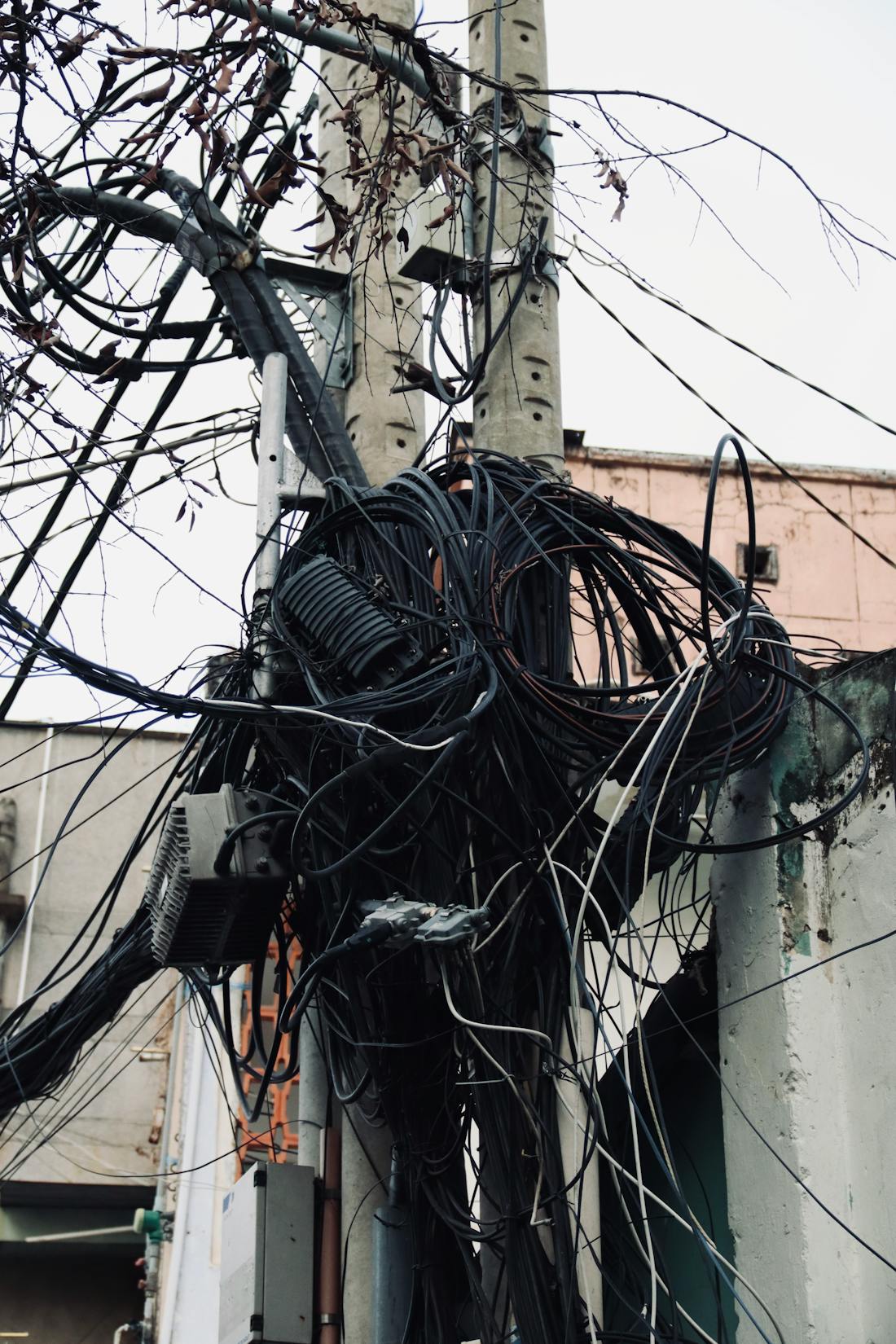
Better records with less effort changes the math on documentation entirely. You get the dispute protection, the faster claims, and the marketing material — without the office hours it used to take. The crews adopting these tools now are building a documentation advantage their competitors will spend years trying to catch.
AI won't take the photos for you. But it will make sure the photos you take turn into something useful — automatically.
WorkSiteCam gives every crew a one-tap camera that GPS- and time-stamps each photo, files it to the right job automatically, and turns the whole record into a branded report in seconds. Book a free 15-minute demo and see it on your own jobs.


